

Electric Scooter
Introducing our Toddler Electric Scooter, a revolutionary ride designed to provide your child with an exhilarating yet safe adventure.
Shanxi Daodebao International Import and Export Trading Co., Ltd. is a bicycles manufacturer and trader integrating design, R&D, and sales. We provide efficient, professional, and safe OEM/ODM services. Our products include bikes, tricycles, electric scooters, kids' toys, kids' products, pet supplies, and outdoor products.
Wide Range of Applications
The product is suitable for various purposes such as urban transportation, daily commuting, sports and fitness, off-road cycling, mountain crossing, leisure and entertainment, competitive competitions, tourism and sightseeing.
Broad Market
Our business currently covers more than 80 countries in Europe, America, Asia, the United States, Canada, Russia, India, the United Kingdom, South Korea, Japan, Brazil, etc.
Professional Advanced Equipment
We have the most advanced production lines in the country, precision processing workshops, assembly workshops, and complete testing equipment. We have our own welding frame workshop, waterline paint workshop, automatic weaving spoke workshop, and assembly workshop.
Rich Experience
Shanxi Daodebao International Import and Export Trading Co., Ltd. With 20 years of domestic and export sales experience, we have rich experience and understanding of the industry.
-
Electric Balance Whee
The Electric Balance Wheel is a versatile personal transportation device featuring 10-inch rubber inflatable wheels for a smooth ride across different terrains. It incorporates Bluetooth for music
-
Smart Hoverboard
The Smart Hoverboard is equipped with 10-inch tires for improved stability, Bluetooth connectivity for music, and vibrant lighting for visibility and style. It's designed for easy portability with a
-
Electric Balance Scooter
Explore new horizons with the Electric Balance Scooter, featuring 10-inch widened wheels for superior stability, and a Bluetooth function to play your music on the go. Colorful LED lights enhance
-
Hoverboard Scooter For Adults
The Hoverboard Scooter for Adults combines entertainment, style, and performance, designed especially for adult riders. It features Bluetooth connectivity for music, 10-inch tires for enhanced
-
2 Wheel Hoverboard
Crafted for the adventurous adult, this Hoverboard Scooter enhances urban mobility with its Bluetooth feature for music streaming, durable 10-inch tires for smooth rides, and ambient lighting for
-
Self Balancing All Terrain Hoverboard
The Self-Balancing All-Terrain Hoverboard is designed for adventure lovers, featuring 8-inch non-slip, wear-resistant wheels for stability across diverse terrains. It offers easy portability with
-
Two Wheel Standing Scooter
The Two Wheel Standing Scooter embodies sleek design and cutting-edge technology, ensuring a unique and efficient mode of transportation. It's equipped with a durable battery, allowing for lengthy
-
2 Wheel Auto Balance Scooter
Venture into an electrifying journey with the 2 Wheel Auto Balance Scooter, a marvel of design marrying functionality with flair. This scooter shines with Bluetooth LED headlights for night-time
-
2 Wheel Balance Scooter
Embrace the future of urban mobility with the 2 Wheel Balance Scooter. This state-of-the-art scooter features LED lights for enhanced visibility and style, Bluetooth connectivity for music on the
-
2 Wheel Electric Hoverboard
Discover the thrill of mobility with the 2 Wheel Electric Hoverboard, a blend of technology and fun designed to take your outdoor adventures to new heights. Equipped with a powerful battery for
-
2 Wheel Electric Standing Scooter
The 2 Wheel Electric Standing Scooter is designed for an exhilarating ride, featuring LED lights for visibility and Bluetooth connectivity. With a sturdy frame and non-slip feet, it ensures balance
-
2 Wheel Gyro Scooter
The 2 Wheel Gyro Scooter integrates safety with modern technology, featuring LED lights for enhanced visibility and Bluetooth for entertainment. It's designed with safety alerts for high-speed or
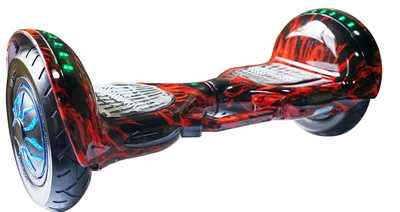
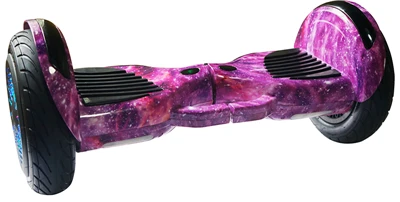
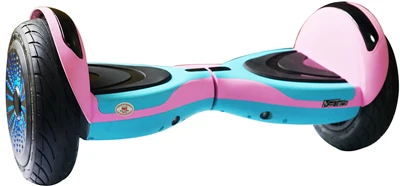
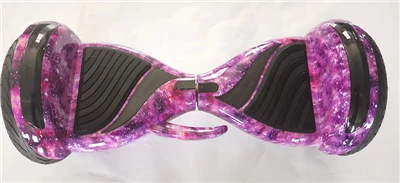
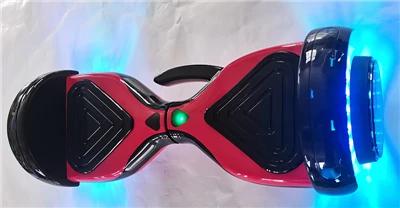
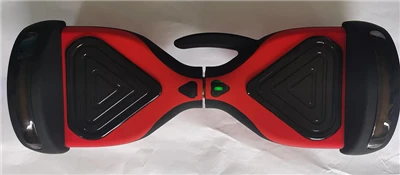
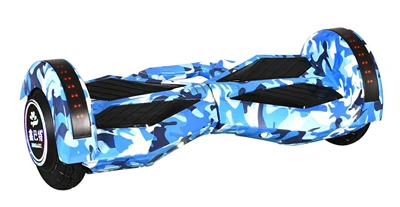
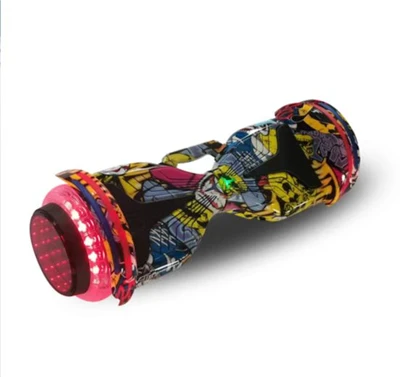
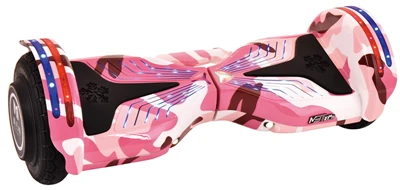
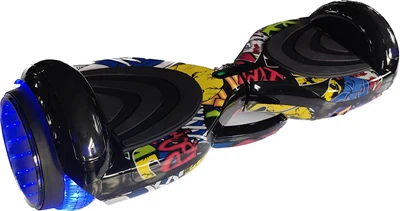
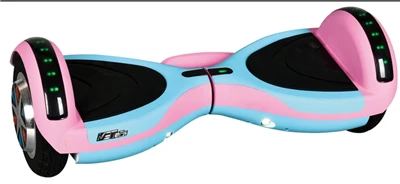
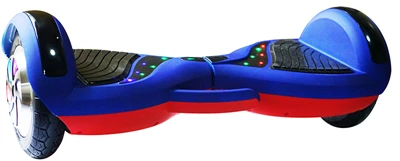

A motorized scooter is a stand-up scooter powered by either a small internal combustion engine or electric hub motor in its front and/or rear wheel. Classified as a form of micro-mobility, they are generally designed with a large center deck on which the rider stands.
What are Advantages of Electric Scooter?
Every means of travel has some kind of risk attached to it. However, when you compare an electric scooter to other portable modes of transport (such as cycling, roller skating, and others) they come out as possibly the safest option. Additionally, they require little to no skill to operate — all you need is some balance! This is a convenient choice for those who want to travel without any fear of danger.
Electric scooters, despite their mechanical and electronic parts, are light and easy to fold up. This makes them portable so you can store them in your trunk or your home. Electric scooters can also be carried anywhere you can think of, and be quickly unfolded when needed.
A list of advantages to owning an electric scooter is simply not complete without mentioning how eco-friendly they are. In this era of drastic climate change, many people are searching for ways to reduce their impact on the environment, including changing their modes of transport.
Electric scooters are one of the most eco-friendly options to date. Apart from zero emissions, electric scooters also run on low quantities of electricity. They are more efficient at moving commuters — they take only a fraction of the energy compared to a car or SUV. Moreover, technology for electric scooters has improved remarkably over the last two years, further improving their eco-friendliness.
When it comes to operating costs, electric scooters come out on top. They are quite cheap to use when compared to other modes of transportation. All they need is some charge, and they can bring you quite a distance. Plus, they only need a small amount of electricity to run and can be quickly replenished at home or in a charging station. They are also much cheaper to use than taking public transportation. All in all, they are an affordable option for daily travel.
Aside from cheaper operating costs, electric scooters are also much easier to service than other transport options. For example, a problem with your car will probably require an inspection, professional repair, replacement parts, and more.
But when it comes to an electric scooter, their design is relatively uncomplicated and is therefore much easier to repair and maintain. You only have a few parts of concern: the motor, the battery, the tires, and the controller, which rarely need repair or replacement.
While the range of electric scooters is rather limited compared to taking the train or the bus, they are perfect for users who need to frequently travel short distances. This could mean commuting to your office a few kilometers away or visiting your friends in another subdivision.
They are also easier to use for taking shortcuts and passing through areas that cars and other vehicles are not allowed on. For these short distances, electric scooters are much cheaper and quicker to use than other options, such as a tricycle.
The motor and battery technology used in electric scooters allows the rider to cover several kilometers with little effort. Additionally, the scooter itself is compact, meaning riders can take advantage of cycle lanes, walkways, and other paths that are traffic-free.
Driving and silence rarely go hand in hand. Conventional methods of travel, like taking your car, a jeep, or a tricycle come with a substantial amount of noise pollution. This is especially true for older vehicle models, which can be incredibly loud. This noise pollution is considered a nuisance for many people. Thankfully, an electric scooter offers a much quieter mode of transport and can get you home quietly without disturbing anyone.
Electric scooters have lower speeds than gas-powered scooters and bikes and are much easier to drive and maneuver. Thus, they do not require special licensing, permits, or other insurances to use. This is great for younger users who need a mode of transportation but are unable to apply for a license. However, there are a few laws every rider should still abide by while using an electric scooter. Ensure you comply with driving laws before going out on a ride.
Electric scooters also give increased mobility to individuals who suffer from various health issues. These conditions may make it difficult for them to walk, bike, drive or use other modes of transportation. In these cases, electric scooters provide the best replacement. This is because they require no peddling or frequent movement, which means users rarely get fatigued using it.
Additionally, an electric scooter also opens up other options for users. Most disabled people find it difficult to walk to public transport stations. However, with an electric scooter, they can travel and access these stations much easier.
Common Types of Electric Scooter
Electric Kick Scooters
This is the simplest type of e-scooter. They’re small, lightweight and portable. Electric kick scooters also have a standing deck and handlebar for navigation.
They’re designed for smooth roads, flat terrain and city centers. They’re not ideal for riding on rough or bumpy surfaces. Due to their nature, this e-scooter type isn’t as fast as other smarter and more advanced e-scooters. This, in turn, makes them suitable for children.
Foldable Electric Scooters
Just as the name implies, foldable e-scooters are types of e-scooters you can fold. They’re portable, so you can take them along for your daily commute, and fold them together when not in use. Foldable e-scooters are also lightweight, making them easily portable.
Three-Wheeled Electric Scooters
Three-wheeled electric scooters have an extra wheel either in front or at the back. This extra wheel serves to increase balance and stability. These e-scooter types are typically designed for children, as they’re unable to navigate two-wheeled scooters without falling off.
There are also adult e-scooters with three wheels, but they’re quite cumbersome to ride. They’re also not ideal for maneuvering through traffic-laden streets.
Seated E-Scooters
These are just like kick scooters, but with a seat. If you have a problem with standing for long, but still want to enjoy the e-scooter fun, this is a great pick! They have all the characteristics of regular electric scooters and even more. They’re lightweight, and some models are foldable, so you can carry them along into your office or class.
Seated e-scooters are more resilient and can carry weights of up to 180 kg. Their tires can navigate through rough roads, and the aircraft aluminum body gives them extra durability.
Off-Road E-Scooters
Off-road e-scooters have two large wheels with reinforced tires, a heavier frame and powerful suspensions for shock absorption. Their wheels of 200 mm or larger, a higher profile and higher watt motors for power, is great for rocky and muddy roads. The sturdy nature of off-road scooters makes them ideal for cruising.
Batteries
Electric scooter battery packs are made up of many individual cells that are assembled together.
Batteries are the “gas tank” of an electric scooter. They store the energy that is consumed by the electric motor and other accessories, including lights.
Most electric scooters will have a battery pack comprised of lithium-ion battery cells, though some electric scooters for kids and other inexpensive scooters actually have lead-acid batteries.
Batteries are rated in watt-hours, abbreviated Wh, which is a measure of their capacity. Battery capacity is one of the important factors that determine electric scooter range. A typical budget scooter will have a capacity of around 250 watt-hours while monster scooters can have capacities of almost 3,000 watt-hours.
Brakes
A quality braking system, such as the disc brake picture above, is essential for staying safe and in control while riding an electric scooter.
Like those on a car or bicycle, brakes are what slow the electric scooter down. Electric scooter brakes can be broken down into two categories: mechanical and electronic.
Mechanical brake systems are those that rely on a physical mechanism to slow the scooter down and are: disc, drum, and foot brakes.
Electronic braking systems rely on using the motor itself for braking and include strictly electronic and regenerative braking systems.
Typically mechanical braking systems will offer much stronger braking than electronic systems. However, electronic systems benefit from not requiring any periodic adjustments or maintenance.
Many scooters will have a combination of both electronic and mechanical braking systems. For safety reasons, we recommend scooters that have at least two braking systems in case one fails.
Controller
The speed controller sends power to the motor based on accelerator input.
The speed controller is an electronic component buried deep inside of the scooter that controls the flow of current from the battery to the motor. They typically look like rectangular metal cans with many wires coming out of them. The metal enclosure serves as a heat sync. The controller receives inputs from the accelerator and (electronic) brake controls and translates that into a current that is sent to the motor.
Controllers are rated based on the voltage and current they are able to regulate. Scooters with more powerful motors will have controllers with higher max voltage and higher max current ratings.
Controllers are one of the most under-appreciated parts of the electric scooter because they quietly do their job most of the time. They can be a huge source of headache (or make the scooter unsafe) when things go wrong. On some poorly designed scooters controllers are known to fail or malfunction.
Deck
The deck is the platform you stand on while riding. Many are rubberized to provide better traction.
The electric scooter deck — like that of a skateboard — is the thing you stand on. Some electric kick scooters have the battery pack built into the deck.
Most decks have some type of textured finish that provides better grip between your shoes and the scooter. Some scooters, like the Rev pictured above, have a sloped deck that gives you more space to place your feet.
The typical scooter deck size is 14″ by 5″ inches and gives a few inches of ground clearance.
Handlebars
The handlebars are your main connection with the scooter. They are fitted with all the controls, including the accelerator, brakes, speed/settings display, and power buttons.
The most portable electric scooters will have folding handlebars that greatly reduce their width and get the scooter down to a very transportable and storable size.
Lights
Good scooter lighting is important for seeing and staying visible at night. Unfortunately, many of the scooters we test have lackluster built-in lighting.
Nearly every electric scooter comes with at least one LED headlight and a brake-activated tail light. Additionally, many scooters are also including multi-colored LEDs that wrap around or shine from under the deck. We like to call this type of lighting swag lighting.
Swag and deck lighting are good for increasing visibility and cool factor of your scooter, but no substitute for powerful headlight and taillights.
Unfortunately, many electric scooters have sorrowfully weak lights. This is why we nearly always recommend additional lighting for safely riding at night.
Motor
Adult electric scooters have hub motors built into one or both wheels. The powerhouse Wide Wheel pictured above has dual 500-watt motors.
Electric scooters have brushless direct current (BLDC) electric motors that are built into the hub of wheels. All electric kick scooters have at least one motor while more powerful ones will have two.
Electric motors are rated based on their power consumption which is express in units of watts. More powerful motors will have greater wattage.
Stem
The stem is the folding metal tube that connects that handlebars to the front wheels. On some electric scooters the folding mechanism is a source of frustration due to instability.
The stem or neck of the electric scooter is the long tube that is connected to the front wheel and extends up to the handlebars.
Nearly every scooter has a folding mechanism built into the stem to allow easy carrying and storage. In our e-scooter reviews, we often spend a lot of time focusing on this unsuspecting part. Yet, this is for good reason. The folding mechanism can be difficult work or worse it can be loose or unstable. When you apply force to the handlebars, you’ll notice the whole stem rocking back and fourth — a condition we call stem wobble. This is one of the huge downsides to folding electric scooters.
Suspension
Many electric scooters have no suspension, while high performance ones, above feature a beefy coil-over-hydraulic suspension.
The suspension of the electric scooter, like that on motor vehicle or bicycle, helps to improve ride quality and dampin bumps in the road.
There are three main types of suspension systems that are typically found on electric scooters: spring, hydraulic or air piston, and rubber suspension. Scooters with the best suspension will have some combination of spring and piston — a combination called coil-over-hydraulic or coil-over-air.
Many scooters forgo suspension in favor of large pneumatic tires that provide damping effects. Large pneumatic tires can offer be a better form of suspension that cheap spring suspensions.
Tires
Tires given you traction to accelerate or brake in an emergency. Airless tires, like those pictured above, do not perform as well as pneumatic tires.
Tires are your connection to the road and influence ride quality, traction, range, and braking performance of your electric kick scooter.
Tires come in basically two types: pneumatic (airfilled) and airless. There are a few varieties of airless tires and these include: honeycomb, polymer-filled, and solid.
We always recommend pneumatic tires because they give better ride quality (with or without suspension) and their supple rubber performs much better in adverse road conditions.
How Do You Maintain Electric Scooter?
Charge the Electric Scooter Properly
An electric scooter’s battery is comparable to the engine of a car. It is the most important part of the scooter. Most electric scooter batteries are made with lithium-ion. Unlike lead-acid batteries, lithium-ion batteries are more lightweight and long-lasting.
Advances in electric scooter battery technology deliver better performance than before. However, all batteries have a life cycle. Make sure you maintain your electric scooter’s battery by doing the following:
Do not let the battery get drained – Charging a completely drained battery affects the lithium ions cell’s ability to hold a full charge, which impacts its lifespan. Make sure to keep your electric scooter’s battery at a minimum charge of 10%.
Do not overcharge – In the same way, overcharging can impact a lithium-ion battery’s ability to hold out full charge cycles. Make sure to keep the scooter’s battery at a maximum charge of around 90%.
Always use the appropriate charger – Chargers have specific output voltages. This means using the wrong electric scooter charge can shorten the lifespan of the batteries.
Store the Electric Scooter Safely
One of the most common tips for maintaining your electric scooter is to store it somewhere safe. Consider the temperature and sunlight when storing your scooter. In general, electric scooters should be kept in a dry place that does not get hit by direct sunlight and has a stable temperature. Storing it somewhere too hot or too cold can damage the lithium-ion battery and other components.
Check Your Tires Before Every Ride
To properly maintain your electric scooter, you need to check if it has the recommended tire pressure before every ride. This would depend on the manufacturer.
If your tires have less or more than the recommended pressure, the result is reduced speed, increased skidding risk, faster battery draining, uncomfortable ride, and the risk of bursting tires while riding.
Make sure to check your tires for damage regularly. This will help you know if you need a tire replacement. If you want to exert less effort on tire maintenance, go for electric scooters with durable tires.
Check the Brakes
Maintaining an electric scooter’s brakes is crucial for a safe ride. Make sure to check if your brakes are operating properly. If your electric scooter model has disc brakes, check for wear. Once you notice that the brake pads are worn out, replace them.
Keep the Parts Clean and Lubricated
Cleaning your electric scooter at least once a week will not only make it look neat but will also avoid damage from dirt build-up. Use a soft sponge and warm soapy water to remove stubborn mud and dirt from the external components of the electric scooter.
Be extra careful in avoiding getting the internal components wet. Make sure also to refer to the user manual before lubricating the suspension and each moving joint. If needed use a lubricant designed specifically for electric scooters.
Check the Tyres
Squeeze your tyres firmly with your thumb and forefinger. If a tyre feels squashy, it's underinflated don't ride the scooter until its tyres are pumped up, as it won't be stable and will be much more likely to skid out from under you while turning a corner.
Make Sure The Bolts on the Stem are Tight
The wheels and handlebar must stay in alignment while you're riding. We tested several scooters with loose bolts, which led to the handlebars coming out of alignment with the wheel. This is a serious safety risk. To check the bolts, stand in front of the scooter and trap the front wheel between your feet, holding the wheel tightly in position. Then hold the handlebars and twist firmly in either direction. If the wheel and handlebars are still in alignment after this, it's safe to ride.
Grab a Helmet
It's not a legal requirement, but wearing a helmet is a wise move. Expect to spend between £10 and £30. Also consider wearing light-coloured or fluorescent clothing to make it easier for you to be seen.
Watch your ankles - electric scooters are extremely heavy and can weigh as much 24kg. This means that even when they're travelling at very low speeds, for example when you've just hopped off one, they're still moving with quite a lot of force behind them. A few of our researchers found that an electric scooter tapping against your ankles can be very painful and even causing bruising or cuts.
Watch Out for Potholes and Uneven Ground
Electric scooters have narrow handlebars and their handling can be a little twitchy. This can make controlling severe jolts quite difficult. Some of the scooters we tested don't do a very good job of controlling vibrations, so much so that if a severe jolt takes you by surprise your hands could come off the handlebars.
Beware Skidding
During our electric scooter test, we completed an emergency stop on each of the 10 scooters. Only two came to a halt without skidding. This means that if you need to stop in an emergency, you should get used to controlling a skid on a scooter.
Be Careful on Hills
Most of the scooters we tested can't handle even shallow gradients, let alone steep hills. If there's a big hill ahead, many scooters will trundle to a halt, so be prepared to hop off and push.
No Passengers
Electric scooters are designed for one person only. It's not safe to carry a passenger. There isn't room on the scooter's standing board for two people, and the addition of an extra person can suddenly shift the balance of the scooter unexpectedly, leading to both passengers falling off.
Don't Hang Anything on the Handlebars
Electric scooters tend to have narrower handlebars and the handling is more sensitive than bikes. Hanging anything from either handlebar is an unnecessary risk and will put even an experienced rider off balance.
Be Extra Cautious in the Rain
Not only will rain make braking distances longer and increase the chance of skidding, most of the private electric scooters you can buy aren't designed for use in the rain. See our electric scooter reviews below to find out which ones will work in the rain.
Price
Of course, one of the most important factors to take into consideration when buying an electric scooter is the price. Your budget is going to determine the quality and number of features you’re going to be able to get - low-budget machines are unlikely to have any of the bells and whistles, but machines with all of the features you might want can be quite expensive.
Safety Rating
The safety ratings on electric scooters are measured using Ingress Protection or IP ratings. IP ratings are used to show how machines and electronics handle exposure to water and particulates. These are represented by a two-digit code, with the first digit (particulate protection) ranging from 0 at the worst and 6 at the best and the second digit (water protection) ranging from 0 at the worst and 8 at the best.
For an electric scooter, you’ll want a rating of at least IP54, meaning it can handle light particulate exposure and splashes of water from any direction.
Safety Features
Alongside the rating, there are a few safety features you should be looking for when buying an electric scooter, including:
- A strong brake system, preferably with anti-lock technology
- Tires with solid traction
- Indicator lights for turning
- Identifying features like reflectors or a horn
These features are especially important if you are traveling in a high-traffic area like a city.


Range
The range of your electric scooter is going to be a major part of determining its practicality for your needs. If you’re planning to ride your scooter for your commute, you’ll ideally want it to be able to make it to and from your destination on one charge. If you have a long commute or you plan to do distance riding, you may look into buying additional charging cables to have at home and with you while you travel.
The average range of an electric scooter on a single charge is between 35 and 40 mph, though some models can go 60 miles or more under ideal conditions.
Portability
The benefit of electric scooters is that almost all models are going to be more portable and convenient to travel with than many other forms of personal transportation. The level of portability you need - foldable, lightweight, etc. - will depend largely on the kind of commute you plan to use the scooter for.
It’s worth taking into consideration that if the battery dies on an electric scooter, it can still be used manually, but only if you are able to push the scooter’s weight under your own power.
Speed
Unless you plan to use the scooter for sports or long distances, the top speed of your machine is probably going to range around 15-25 mph. If speed is important to you, consider opting for a performance model that has the necessary secondary features.
Extra Features
Speaking of secondary features, there are a few other features that you might look for in an electric scooter, such as
A headlight and/or break lights on the rear wheel
Speakers (with or without Bluetooth connectivity)
The ability to hold extra battery power
None of these features are strictly necessary, but they can be useful.
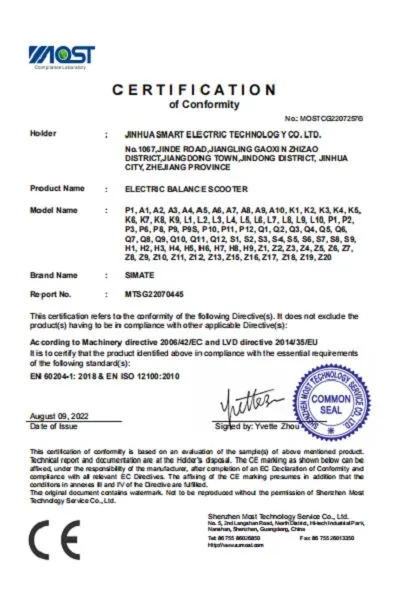
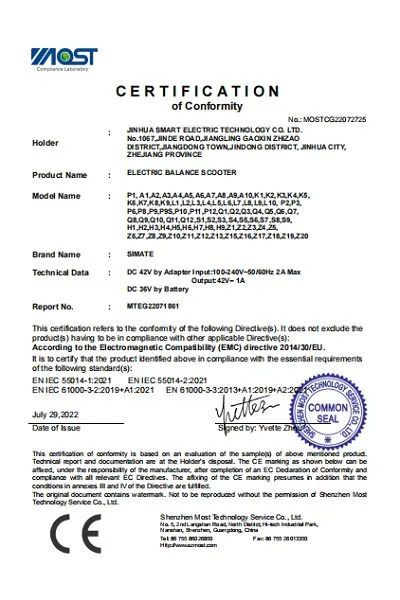
Our Certificate

Our Service
Before Sales
A professional sales team communicates with you to understand your needs and customize corresponding solutions and technologies. We understand market trends to help you better understand product information.
During Sales
During the production process, we ensure the quality of each product, report back to you at any time, and grasp every key step until the product is delivered.
After Sales
The company's products have a warranty period. If you have any questions or concerns, please feel free to contact us and we will reply and resolve them as soon as possible.
Our Factory
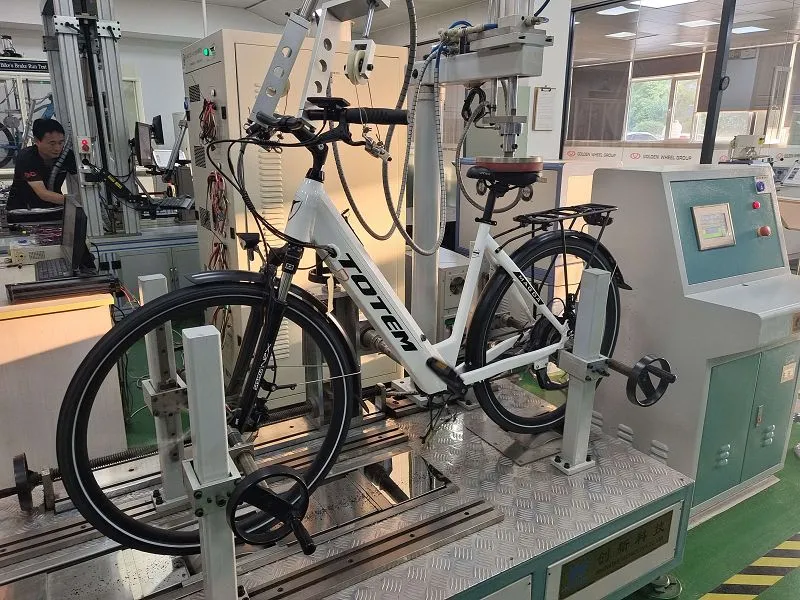
Daodebao Co., Ltd. is a mature factory with an area of 20000 square meters. With 500 employees, the company has the most advanced production line, precision machining workshop, assembly workshop, and complete testing equipment, providing customers with quality assurance and thoughtful service.


Contact Us
Email: daodebao666@aliyun.com
Email: daodebao888@aliyun.com
Frequently Asked Questions
Q: What should you pay attention to when using Electric Scooter?
Paradoxically, the leg of a trip tends to be the slowest and most difficult despite being the shortest. This is because public transit systems and roadways are all optimized for connecting big population centers separated by larger distances. Think about it — multilane highways connect major cities separate by tens or hundreds of miles. At average freeway speeds, you can go 60 miles in an hour or about a mile a minute.
However, once you’ve exited the freeway, your last mile or so could take 15 minutes or more!
This is where electric scooters, bike sharing, electric skateboards, etc — all forms of micro-mobility — come into play. They make traveling the last mile of your trip faster, easier, and more environmentally friendly.
If you have to commute just a few miles to work or have to walk from a bus stop or transit center, then an electric scooter is the perfect option for you.
Q: Which one is better, Electric Scooter or Bicycles?
They allow you to get to your destination at speeds around 15 mph with no physical effort. You can arrive at your destination more quickly, fold up the scooter, and carry it inside. Because they require less physical effort than powering a bicycle, you won’t be as sweaty as you would if you were to ride a bike (and can get there faster on many scooters).
Electric scooters also have some disadvantages which might make bicycles a better option in some cases. These are: ability to bring inside, stability and cost.
If you aren’t physically able or not allowed to bring your electric scooter inside then a bicycle may be better. Locking an electric scooter up on the street for a prolonged period of time is not optimal — they seem to be more prone to theft, vandalism and are more difficult to lock due to lack of locking points.
Bicycles, due to their geometry and larger tires, are more stable and better on rough roads. Adult scooters have relatively small tires that do not roll over bumps easily. They also have a more upright steering angle which makes them inherently less stable and more prone to wobbles that have sent many a scooter rider down.
Finally, adult electric scooters are more expensive than a quality entry-level bicycle. An entry-level bicycle will run you around $300 and be much more durable. Crashing on a bicycle is unlikely to harm most whereas many scooters, particularly budget ones, can be rendered completely inoperable after a crash.
Q: Why Wearing Gear When Riding Electric Scooters Is Important?
Safety equipment including a helmet is an absolute necessity when riding the electric scooter at any speed. Depending on the speed and type of riding conditions that you experience, you may need more or less equipment.
Safety equipment that can prevent accidents and mitigate injuries includes:
Helmet.
Gloves.
Knee pads.
Elbow pads.
Protective jacket and pants.
Lights.
Horn.
Q: How do you charge electric scooters and how much does it cost?
How long it takes to charge the battery varies depending on what model you have. Some electric scooters can be fully charged in less than five hours, while others will take a full working day. Make sure you research charging times before you settle on a specific model.
The type of battery an electric scooter uses can affect charging times:
Lithium-ion batteries charge quickly and are reasonably lightweight (usually lighter than lead-acid batteries), making them easier to carry around.
Lead-acid batteries take far longer to charge. Compared with Lithium-ion batteries they cost less upfront, but have a shorter lifespan.
In most cases, charging your electric scooter is as simple as plugging in a cable and turning the power on at the mains. You’ll usually find the charging port somewhere on the base of the scooter, but if you’re unsure, check the user manual or the manufacturer’s website.
If your electric scooter comes with a removable battery, the process can be a little fiddly. Removable batteries are usually found somewhere on the underside of the deck, and you’ll probably need a screwdriver to get access to the component. Once you manage to remove the battery, you can charge it at home or in the office without taking the whole scooter with you.
Q: How Does an Electric Scooter Work?
But how does an e-scooter work?
Well, quite simply in its component parts, an e-scooter consists of a battery, motor, throttle and controller. And out of these parts, the battery and motor are two of the most essential components of an electric scooter.
When a rider twists the throttle on the handlebar, the controller reacts by commanding the battery to send electric energy to the motor which is mounted on the hub of the wheels. The motor uses this energy to rotate the gear which then moves the wheels of the electric scooter forward.
Like regular kick scooters, some e-scooters need to be pushed off the ground using a foot while twisting the throttle to engage the motor. They might also need to be maneuvered using the t-stem handlebars and stopped using brakes. The speed at which the scooter can go will depend on the throttle.
Of course, this is just a basic overview of how electric scooters work. Each of the electric scooters on the market come in slight variations, meaning they each work slightly differently.
Q: How Does an Electric Scooter Battery Work?
Lithium ions move from the anode to the cathode when discharging, and vice versa when charging. This flow of lithium ions back and forth between the anode and the cathode is what generates electrons, and hence electricity.
In modern Li-ion batteries, the space between the anode and the cathode has been squeezed in order to increase the energy storage capacity of the batteries.
How far can an electric scooter go without charging? The battery capacity determines how far a range an e-scooter can achieve on a single charge.
To calculate the energy storage capacity of the battery, you need two most important metrics:
Voltage- denoted in Volts (V)
Charge- denoted in Ampere-hours (Ah)
To calculate the energy storage capacity of the battery in Watt-hours (Wh), multiply the Volts (V) by the Ampere-hours (Ah).
The higher the Wh, the bigger the battery capacity and the more range the scooter will have. Of course, that’s not the only factor affecting the range of an electric scooter, but it is a big one. Other factors like rider weight and road conditions also come into play.
In general, most scooters max out at 12 to 15 miles on a single charge.
Q: What are the advantages of Electric Scooter?
E-scooters feature a twist-and-go throttle mechanism, making them an easy option for anyone to ride. Unlike cars, you don’t need a driving licence to use one, so no lessons are needed. What’s more, servicing costs related to e-scooters are low, as their electric motors and batteries require little to no maintenance.
OPERATING COSTS ARE LOW
Compared to other vehicles, such as cars and motorbikes, e-scooters are relatively cheap to operate. It’s also often cheaper to go by electric scooter than taking public transport, especially for shorter journeys.
THERE IS LITTLE NOISE POLLUTION ASSOCIATED WITH THEIR USE
E-scooters are extremely quiet and, therefore, do not contribute to noise pollution in large towns and city centres.
THEY DO NOT EMIT ANY HARMFUL GASES DURING USE
As they are electrical, e-scooters do not cause any damage to the environment during use, through emissions of any kind.
Q: What are the safety elements of Electric Scooter?
Practice the skills you need to balance and control an e-scooter before you use it in a busy area or over obstacles.
Be alert and focus on your surroundings.
Scan for hazards in your path (uneven terrain, potholes, slippery surfaces, loose gravel, and other obstacles).
Share the road/path and give yourself and others around you (vehicles, pedestrians, other road users, etc.) enough space.
Keep both hands on the handlebar (pull over to answer a call, respond to a text, etc.).
Drive sober and drug-free.
Be visible and wear reflective clothing.
Use hand signals.
Drive single file.
Park in designated parking areas.
Q: Is an electric scooter good for commuting?
For people living in a big city, it can be a pain to get around by car because you’re constantly stuck in traffic. Electric scooters for commuting are the perfect solution to getting around efficiently.
Q: Should I ride an electric scooter to work?
An average electric scooter can travel between 20-30 km/h (12.4-18.6 mph), making it a more efficient way to get to work. Public transport can also be extremely crowded during peak hour, whereas on an e-scooter you have plenty of space around you.
Q: Do I need an electric scooter?
Electric scooters really shine in “last mile” applications, filling in part of a commute that isn’t covered by other transportation. They can eliminate time spent walking to the bus stop or train station, waiting around for the next scheduled service or driving around looking for a parking spot in your car. They’re ideal for supplementing other forms of transportation.
Of course, if you live close enough to where you work or shop, a scooter can take you directly from your front door to your job or errand. An electric scooter can also be a practical choice for those who might otherwise ride a bicycle, but don’t want to arrive at work sweaty and out of breath, and are put off by the expense of an electric bike (or have nowhere to store one). They’re also useful for short errands that don’t involve too much cargo (since scooters can’t take racks or panniers like bikes). In those cases, though they’re not exactly cheap, electric scooters can easily pay for themselves if they let you avoid spending money on bus or train fare, or fuel and parking costs for your car.
One thing to keep in mind is that scooters with bigger motors and bigger batteries may be able to take you further, but they’re much bulkier and can weigh quite a lot — the heavier models we looked at weigh nearly 50 pounds, making them tough to wrestle onto a bus or train and inconvenient to store. That extra power, then, can mean diminishing returns, since the additional oomph means they weigh nearly as much as an e-bike, which will typically have far more range, versatility and carrying capacity.
Q: What features should I look for in an electric scooter?
I’d also recommend only purchasing a scooter that complies with UL standards. The lithium-ion batteries inside electric scooters can catch fire and explode while charging, and a UL certification will ensure that you’re not bringing an untested or unreliable battery into your home. All of the scooters in our testing pool are UL-listed. Consider models with removable batteries too, as they allow you to quickly swap in a fresh battery pack rather than waiting on the scooter to charge.
Pneumatic tires — with inner tubes, like bicycle tires — are another feature we recommend, since they soak up the shock of rough surfaces, bumps and cracks, providing better handling and a more comfortable ride. Some cheaper scooters are sold with solid rubber tires that may be puncture-proof, but give you a much less comfortable ride,
If you want to ensure you’re getting to your destination as fast as possible, look at the maximum speed offered by each unit. Lighter-duty scooters top out at about 15-20 MPH, while beefier models can reach up to 35 MPH. Most scooters let you select a top speed limit, so you can choose to stick to lower speeds if you like.
Q: Can you ride an electric scooter on the street?
In our experience, this is solid advice regardless of what the law might prescribe. As a general rule of thumb, we’d recommend sticking to quieter side streets and neighborhoods, avoiding busier thoroughfares and intersections with cars traveling at high speeds, and using multi-use paths where available (and where e-scooter use is allowed).
Regardless of the city you’re in, and contrary to what you’ve probably seen, you shouldn’t ride your electric scooter on the sidewalk. Not only is it dangerous to pedestrians — especially if they walk out of a doorway into the scooter’s path — there are also obstacles and debris that can cause you to lose your balance. If the sidewalk is your only safe means of travel, dismount your scooter and walk it down the sidewalk.
Q: What factors should you consider when buying an Electric Scooter?
Riding a fast and functional e-scooter can make your commute a lot easier. An e-scooter’s range depends on the batteries, engine and controller. To get the best experience, look out for e-scooters with 500 watt-hour lithium-ion battery, range minimum of 30km and a top speed of up to 25 km/h.
Note that the range of an e-scooter on a single charge can be different considering various external factors. Starting from the weight of the rider, the lifetime of the battery, the tyre pressure, all up to the weather, the inclination and the terrain.
Controls and Indicators
E-scooters are considered one of the safest modes of transportation because of the safety measures of the modern models. The best types of e-scooters have a high-tech speed control and braking system.
You may be putting yourself at risk if the controls and indicators of your e-scooter are poorly designed. High-quality e-scooters are designed with IoT-enabled control features and a double braking system. With these, you can rest assured that you’re always in control of your scooter.
Smart Functions
The world has gone digital, why shouldn’t your e-scooter? The best types of e-scooters are designed with smart functionalities. Mobile applications and IoT-integration ensure ride optimization, auto lock and unlocking, easy tracking and theft protection.
Portability
Your electric scooter is supposed to make your life easier, not complicate it. It shouldn’t be a heavy burden for you to carry around, so ensure to only buy lightweight and portable scooters. Also ensure that your scooter can be folded into a compact shape. This way, you can fold and keep it in a corner when you’re not using it.
Weatherproof Factor
With most of the e-scooters, you need to avoid riding it under the rain and snow. This is because it can suffer water damage when water gets into the internal components, and when that happens you can say goodbye to your scooter real soon. However, there are still some electric scooters which are built to handle rain puddles, snowstorms and even icy roads.
We're well-known as one of the leading electric scooter manufacturers and suppliers in China. Please feel free to buy high quality electric scooter for sale here from our factory. Good service and competitive price are available.
